Milk Books vs. Artifact Uprising: Which Wedding Album Is Actually Worth It?
By Snap Wedding Team · August 3, 2026 · 9 min read
The short answer
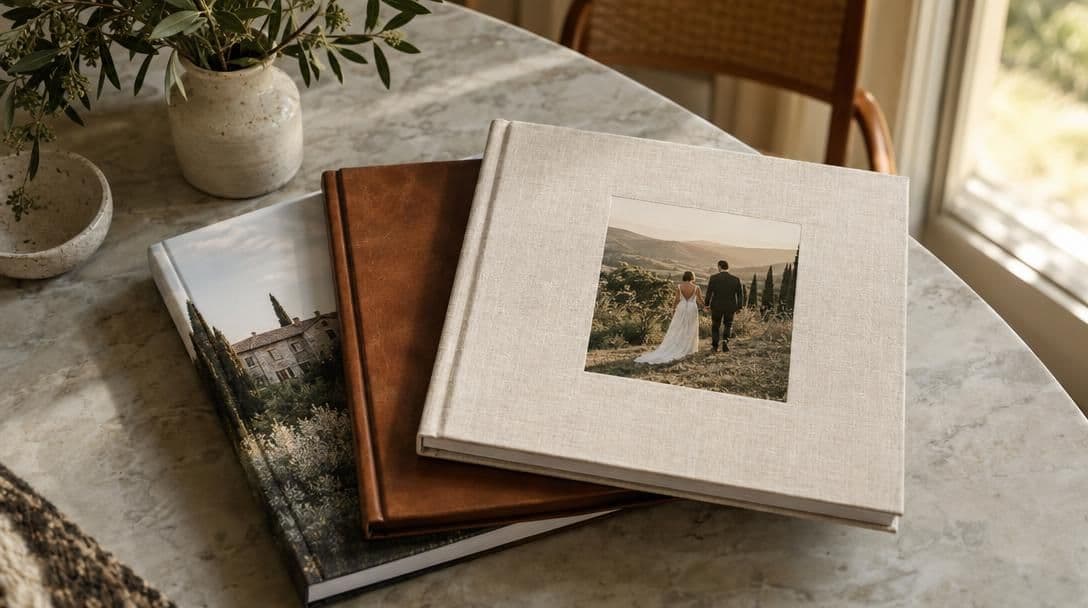
Both Milk Books and Artifact Uprising make genuine layflat albums in the premium tier, so you are not choosing between good and bad - you are choosing between two philosophies. Artifact Uprising is the better fit if you want to design the book yourself in a clean, editorial style and care about cover materials like linen and leather. Milk Books is the better fit if you want thicker, more traditional photographic pages, a professional design service to lay the book out for you, or the same album your photographer would sell you. If you are still deciding between an album and a simpler photo book at all, start with our album vs. photo book breakdown.
Side by side, at a glance
- Design approach - Artifact Uprising leans DIY with minimalist, editorial templates. Milk Books offers both DIY software and a paid design service where a designer lays out the book from your gallery.
- Aesthetic - Artifact Uprising is modern and understated, built around white space. Milk Books skews classic and photographic, closer to what a wedding photographer would deliver.
- Pages- both offer layflat. Milk Books' premium lines tend toward thicker, rigid pages; Artifact Uprising's layflat pages are typically thinner and lighter in the hand.
- Who buys it - Artifact Uprising sells mostly direct to couples. Milk Books has a strong professional program, so a lot of their albums reach couples through their photographer.
- Price - both sit in the premium bracket, generally starting in the low-to-mid hundreds and climbing past $500 with upgrades. Neither is a budget option.
Pricing and product lines at both companies change often enough that you should treat any number you read online - including ours - as a starting point rather than a quote. Check the current configurator before you budget.
Binding and paper: where the money actually goes
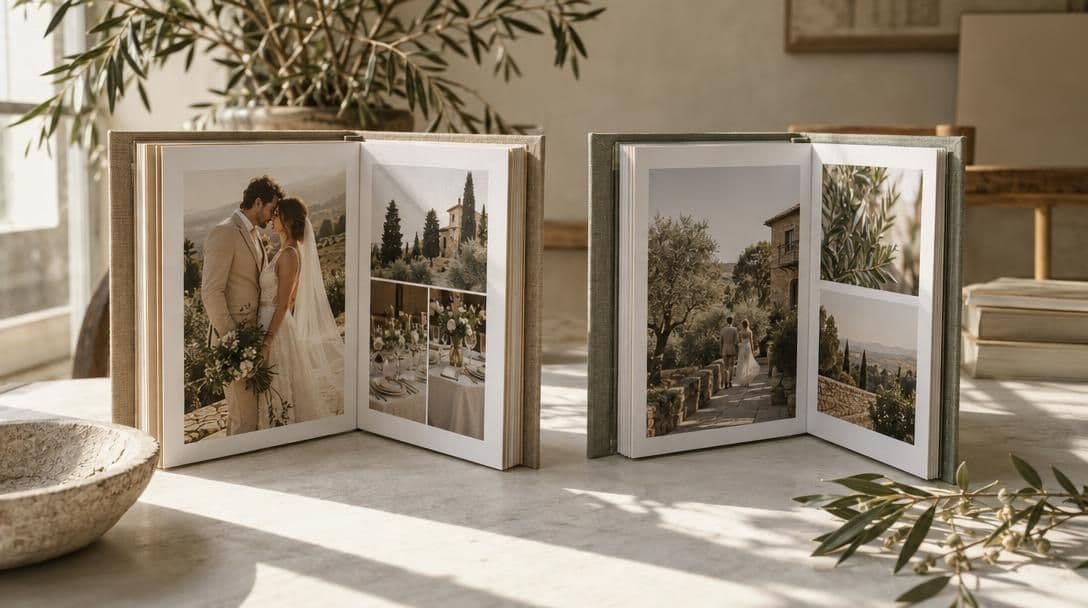
Both brands bind layflat, which means a two-page spread - the aisle walk, the first dance, a wide group shot - prints across the gutter with no visual break. That is the single biggest quality difference between a premium album and a standard photo book, and it is why both cost what they do. We cover the mechanics of it in our layflat vs. standard binding guide.
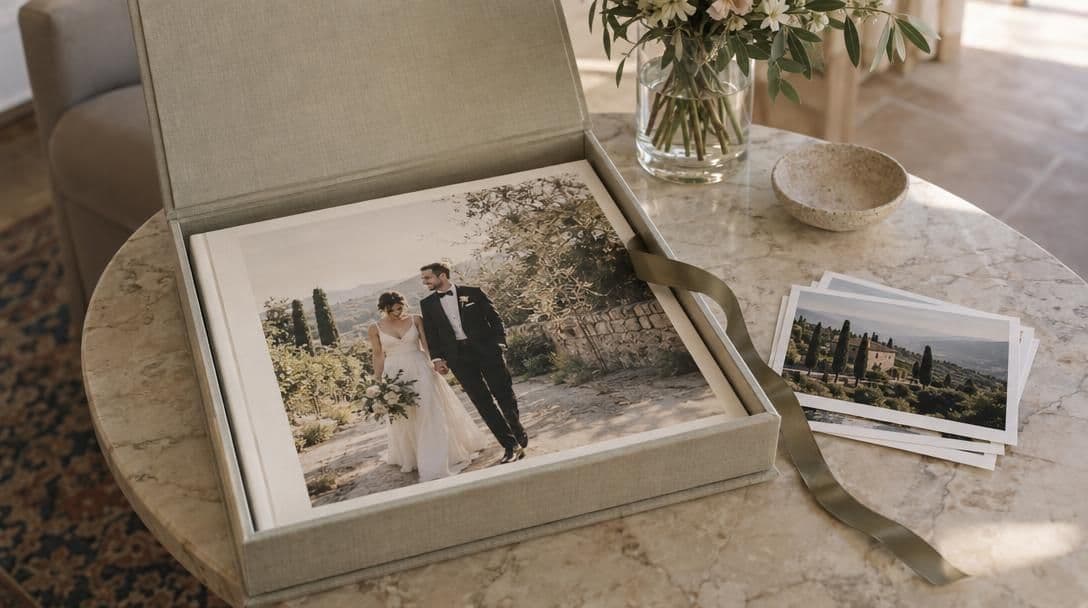
Where they diverge is page feel. Milk Books' heavier stock gives the album the substantial, board-like heft people associate with a photographer's sample album, and it survives handling by relatives better. Artifact Uprising's pages are lighter, which makes for a slimmer, more book-like object that sits nicely on a shelf. Neither is objectively better - hold a sample of each if you can, because this is the difference people notice most once the album is in their hands.
Designing it yourself vs. paying someone to
This is the deciding factor for more couples than paper weight is. Artifact Uprising's editor is pleasant but assumes you will make the layout decisions - which 80 photos, in what order, at what size. Milk Books will do that for you for a fee, which is genuinely worth it if you have 3,000 images and no appetite for sequencing them. Be honest about whether you will actually sit down and build the book. The most common outcome for couples who pick DIY is not a bad album; it is no album, two years later, because the project never got started.
What actually drives the final price
The base album price on either site is rarely what you pay. Four things move the number:
- Page count - every spread past the base allotment is priced individually, and this is where budgets quietly double.
- Size - jumping up one trim size can add more than a cover upgrade.
- Cover material - linen and leather cost meaningfully more than the standard options.
- Design service - only relevant at Milk Books, but it is a real line item.
Decide your page count before you fall in love with a cover. It is the variable with the biggest effect on the total.
So which one should you choose?
Choose Artifact Uprising if you want a modern, minimal album, you enjoy design work, and cover material matters to you. Choose Milk Books if you want a thicker, classic photographic album, you would rather hand the layout to a professional, or your photographer already offers them. If neither budget works, look at the wider field first - our comparison of the major wedding album makers covers the more affordable tiers, and the Artifact Uprising vs. Shutterfly comparison shows exactly what you give up by dropping down a price bracket.
Before you design either one: widen your photo pool
A premium album is only as good as the images you feed it. Most couples design from the photographer's gallery alone, which can take 4-8 weeks to arrive and covers only the angles one or two people could physically be standing at. Running a QR code photo gallery on the day collects the guest shots - the reaction from the third row, the late-night dance floor, the table your photographer had already left - so you are choosing your best 80 from thousands instead of stretching a few hundred across 40 pages.
Frequently asked questions
Both are genuine premium layflat albums and neither is a quality downgrade from the other. Milk Books tends toward thicker, more rigid pages and a classic photographic look, while Artifact Uprising is lighter, slimmer, and more minimalist. The better choice depends on which feel you prefer, not on which is objectively better made.