A QR code photo booth.Every phone in the room, all night.
A rented booth is one camera in one corner for three hours. A QR code turns every guest phone into a camera for the whole day, at a fraction of the price. Here is how the two actually compare.
Create Your Album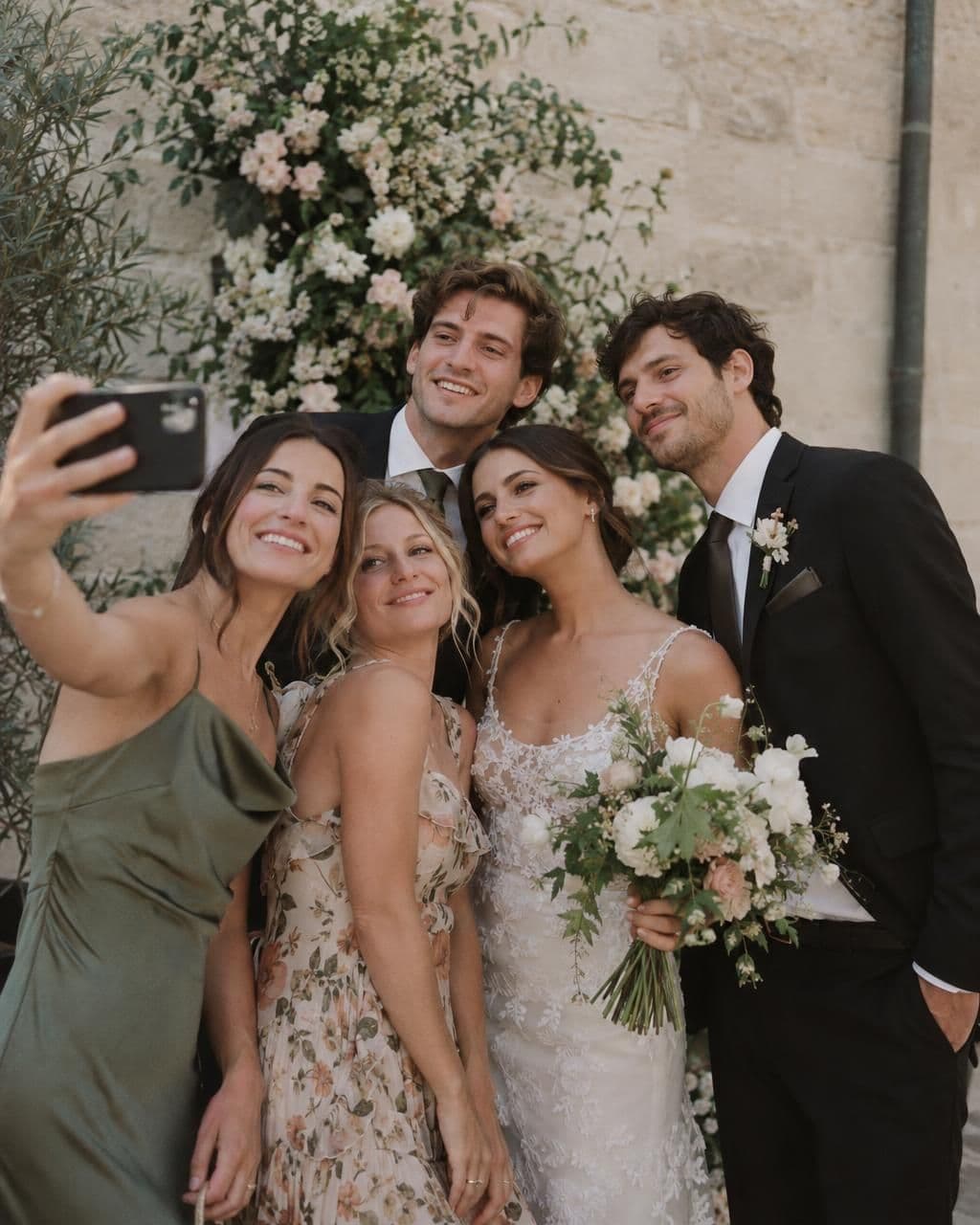
What a QR code photo booth is
There is no booth. You print a QR code on cards, signs, or the back of the programme; guests scan it with their phone camera and land on an upload page for your event. Anything they shoot goes into one album you control - photos, video, and with some tools, voice notes.
The name sticks because the job is the same as a booth: give guests a reason and a mechanism to take pictures, and end up with all of them in one place. The difference is that the camera is already in their pocket and there is nothing to deliver, staff, or collect at midnight.
Mechanically it is the same thing as a wedding QR code for photos. People search for it as a “booth” when they are weighing it against renting one, which is the comparison this page is about.
What each one costs, properly counted
| QR code photo booth | Rented photo booth | Mirror / 360 booth | |
|---|---|---|---|
| Typical price | $25-$150 one time, whole event | $400-$1,200 for 3-4 hours | $700-$1,800 for 3-4 hours |
| Hours covered | The full day, plus days after | The rental window only | The rental window only |
| Cameras working | One per guest | One, in a fixed spot | One, in a fixed spot |
| Typical output | Hundreds to low thousands of images and clips | 50-150 posed shots plus prints | 30-80 clips |
| Also captures | Ceremony, speeches, dance floor, getting ready, after-party | The booth corner | The booth corner |
| Prints on the night | No | Yes - the main reason to rent one | Sometimes |
| Needs floor space, power, staff | No | Yes, all three | Yes, all three |
| Overtime cost | None | $100-$200 per extra hour | $150-$300 per hour |
QR code photo booth
- Typical price
- $25-$150 one time, whole event
- Hours covered
- The full day, plus days after
- Cameras working
- One per guest
- Typical output
- Hundreds to low thousands of images and clips
- Also captures
- Ceremony, speeches, dance floor, getting ready, after-party
- Prints on the night
- No
- Needs floor space, power, staff
- No
- Overtime cost
- None
Rented photo booth
- Typical price
- $400-$1,200 for 3-4 hours
- Hours covered
- The rental window only
- Cameras working
- One, in a fixed spot
- Typical output
- 50-150 posed shots plus prints
- Also captures
- The booth corner
- Prints on the night
- Yes - the main reason to rent one
- Needs floor space, power, staff
- Yes, all three
- Overtime cost
- $100-$200 per extra hour
Mirror / 360 booth
- Typical price
- $700-$1,800 for 3-4 hours
- Hours covered
- The rental window only
- Cameras working
- One, in a fixed spot
- Typical output
- 30-80 clips
- Also captures
- The booth corner
- Prints on the night
- Sometimes
- Needs floor space, power, staff
- Yes, all three
- Overtime cost
- $150-$300 per hour
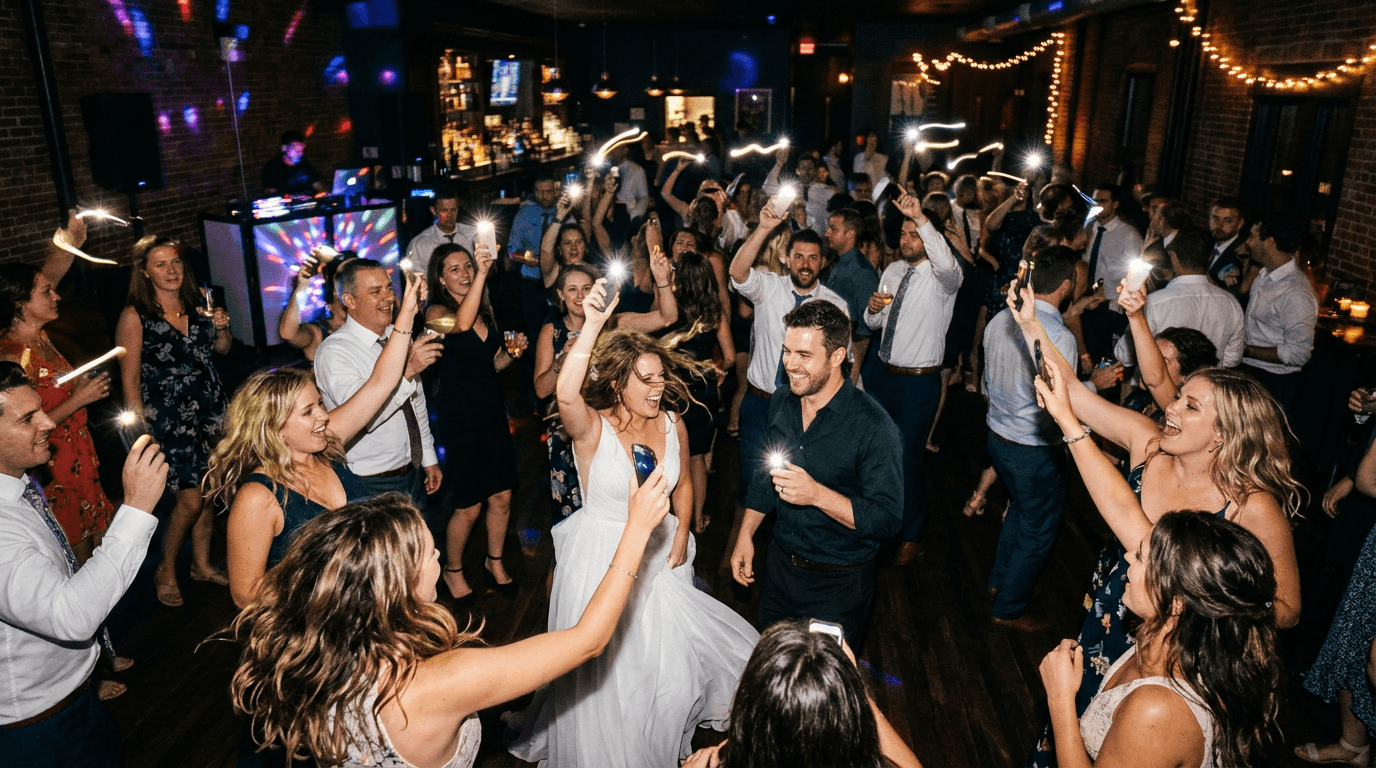
The line that matters is the second one. A booth priced at $800 for four hours is $200 an hour for a device that only photographs the people who walk to it. On a twelve-hour wedding day, eight of those hours have no booth at all - including getting ready, the ceremony, and the last hour of the dance floor, which is reliably where the best photographs happen.
What a rented booth genuinely does better
Three things, and if any of them is your priority then rent the booth.
- Prints in hand. A physical strip that guests take home, or stick in a guestbook, is a real keepsake and a QR code cannot produce one. This is the single best argument for a booth.
- It is an activity. A booth gives guests something to do during the awkward gap between the ceremony and dinner. Props, a queue, laughing at the screen - it occupies a part of the evening that otherwise sags.
- Controlled lighting. A booth has proper lighting and a clean backdrop, so everyone looks good. Guest phone photos in a dim reception are honest rather than flattering.
Our guide to photo booth ideas covers styles, props, and realistic pricing if you are leaning that way.
Running both, which is what we would actually suggest
These are not competing purchases at the same scale. A QR gallery is a rounding error against a booth rental, so the real question is not “which” but “is the booth worth its own price on top”.
If you are renting a booth, run the gallery too and put the QR code on the booth itself. Guests photograph their printed strips and upload those, so the booth output ends up in your album rather than only in strangers' pockets - which otherwise happens constantly and is quietly the most annoying thing about booths.
If you are not renting a booth, the gallery plus a decent party camera setup covers most of what you would have got, without the corner of the room.
Setting one up
Ten minutes of work, and most of it is printing.
- Create the event album and set the upload deadline at least a week past the wedding.
- Print the code in several places. Table cards do the heavy lifting; add the bar, the welcome sign, and the bathroom mirror. A single sign at the entrance is scanned by the first arrivals and nobody after.
- Keep the instruction to four words. “Scan to add photos” beats anything cleverer, because guests read it at a glance while holding a drink.
- Put the live slideshow on a screen if you have one. Guests upload far more when they can see their photo appear.
- Test the code on a borrowed phone, on cellular rather than wifi, signed out of everything. That single test catches nearly every problem that would otherwise surface on the day.
More detail on placement and wording is on the wedding QR code page.
Common questions
It is a photo booth without the booth. You print a QR code on table cards and signs, guests scan it with their phone camera, and everything they shoot uploads into one album you control. Every guest phone becomes a camera, running for the whole event rather than a three-hour rental window.
Related guides
- Photo booth vs QR code sharingThe longer comparison, with cost and coverage worked through in detail.
- Wedding QR code for photosPlacement, wording, and testing your code before the day.
- Wedding photo booth ideasStyles, props, and realistic pricing if you are renting one.
- Digital disposable camera appsThe party camera option, costed against real film disposables.
One QR code away
Every seat in the room is holding a camera. Give them somewhere to put it.
No subscriptions. One private home for every memory your guests share.