Artifact Uprising Albums Explained: Luxury vs. Premium, Lustre vs. Superfine
By Snap Wedding Team · August 6, 2026 · 8 min read
How the lineup is structured
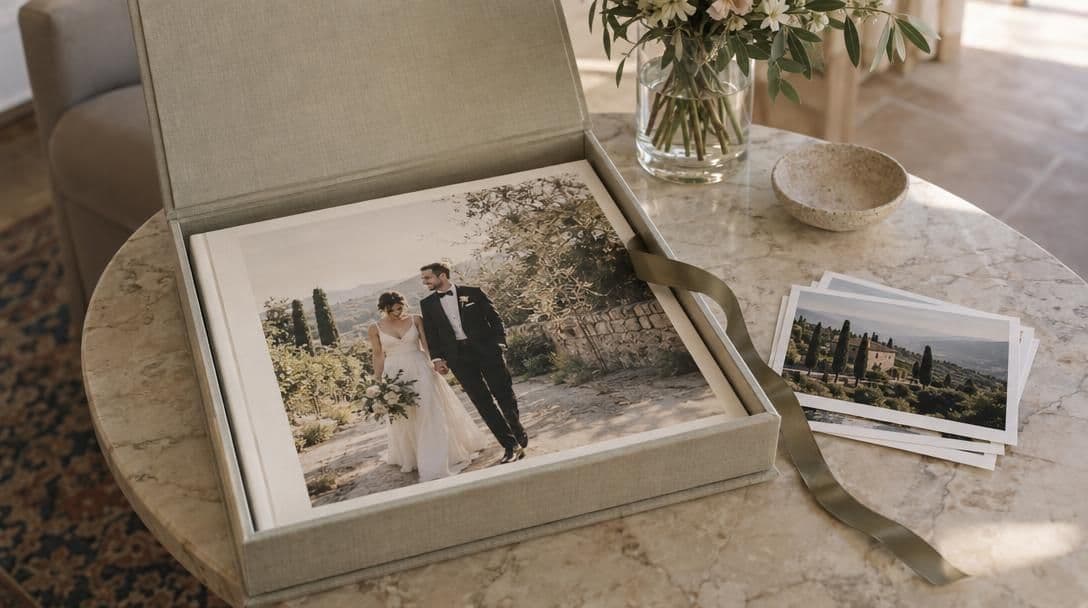
Artifact Uprising splits its books into roughly three bands: entry-level photo books with conventional binding, a layflat album tier aimed at weddings, and a top tier that adds heavier paper, upgraded cover materials, and presentation extras like a box. The exact product names and what is included in each shift from year to year, so treat the tier logic below as the durable part and verify the current spec sheet before ordering. The construction differences themselves are explained in our binding guide.
Lustre vs. superfine paper
This is the choice people get stuck on, and it comes down to surface finish rather than quality:
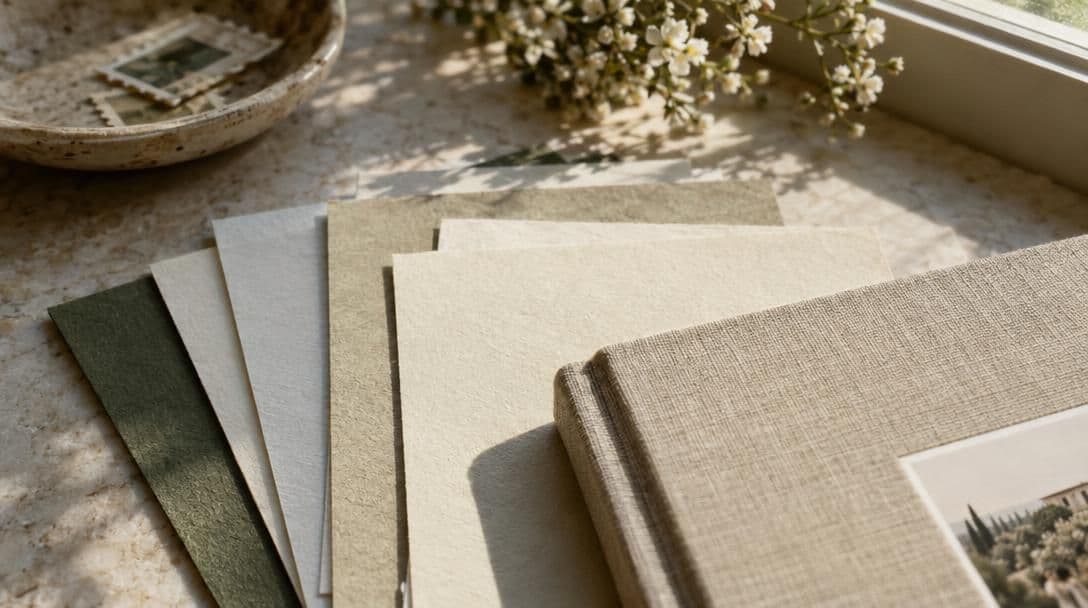
- Lustre - a photographic finish with a slight sheen. Colors read as more saturated, blacks look deeper, and skin tones have more pop. It is the safer choice for vivid, high-contrast images and for anyone who wants the album to look like professional photo prints. It shows fingerprints more.
- Superfine / matte art paper - a flat, uncoated, textured surface with no glare. Images look softer and more editorial, closer to a printed art book. Ideal for film, muted, or light-and-airy editing styles. Deep blacks render slightly less punchy than on lustre.
Match the paper to your photographer's editing style, not to a general preference. Warm, airy, low-contrast galleries look best on matte; rich, saturated, dramatic galleries look best on lustre. If you can order a paper sample before committing, do - the difference is very hard to judge from a screen.
Cover materials, and which ones age well
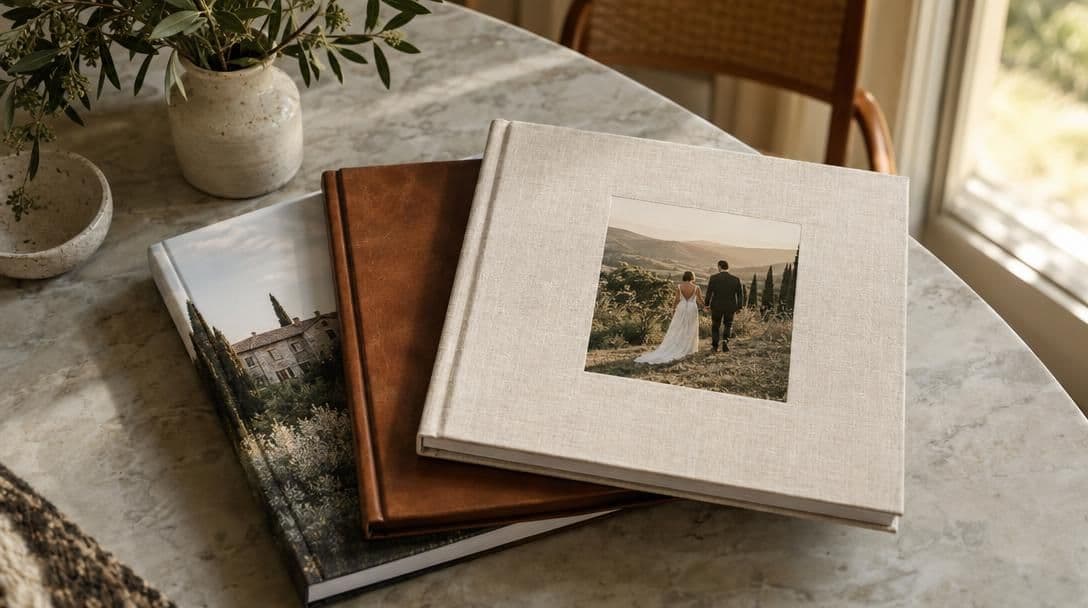
Linen is the most forgiving choice: it hides handling, photographs well, and suits almost any style. Leather looks and feels the most expensive and develops character with age, but it also picks up marks and costs the most. Printed or photo-wrap covers are the budget option and are the element most likely to look dated in a decade, since the cover photo locks the whole album to one image. If you want one recommendation: linen with a small debossed date or name.
How it compares to a pro lab album
Professional labs - Bay Photo's Sunrise line and similar - generally sell through photographers and compete on heavier flush mount construction and wider technical options at a lower per-unit price. What you give up is the consumer-facing design tool and direct ordering; you often need a photographer to place the order, and the design software is built for professionals. Artifact Uprising is the better choice if you are ordering yourself and want a pleasant design experience. A pro lab is usually better value if your photographer already includes an album in your package. For the wider field, see our comparison of the major album makers.
A configuration that works for most couples
If you want to stop optimizing: layflat album tier, linen cover, the paper that matches your photographer's editing style, and every extra spread you can afford before upgrading anything else. Then spend the time you saved on the photo selection, which matters more than any of it. Pull from your photographer's gallery - which takes 4-8 weeks to arrive - plus family phone photos and guest uploads from a QR code gallery, so the album is built from the whole day rather than one vantage point.
Frequently asked questions
The images print the same way at both levels - what changes is materials and presentation. The higher tier uses thicker pages, unlocks the full range of linen and leather covers and debossing, often adds a box or slipcase, and typically offers larger trim sizes. If budget is tight, dropping a tier costs you less than cutting page count.